

Effective USV Countermeasures for Safer Seas
Unmanned Surface Vessels (USVs) present new challenges for maritime security. These vessels operate autonomously or remotely and can be used for surveillance, reconnaissance, or hostile actions. Protecting critical infrastructure such as oil and gas terminals, nuclear power plants, and chemical plants near shorelines requires advanced countermeasures. I will outline effective USV countermeasures that enhance maritime defense and ensure safer seas.
Understanding USV Threats and Vulnerabilities
USVs vary in size, speed, and capabilities. Some are small and fast, designed for quick reconnaissance or attacks. Others are larger and equipped with sensors or payloads. Their autonomous nature makes detection and interception difficult. They can approach critical infrastructure undetected, posing risks such as:
Physical damage to facilities
Data interception or cyber-attacks
Disruption of maritime operations
Identifying vulnerabilities is the first step. Shoreline facilities often have limited visibility over surrounding waters. Traditional radar and sonar systems may not detect small USVs effectively. This gap requires specialized detection and neutralization technologies.
Key USV Countermeasures for Maritime Security
Effective USV countermeasures combine detection, tracking, and neutralization. I focus on modular, scalable solutions that adapt to different threat levels and environments.
Detection and Tracking Systems
Early detection is critical. Systems include:
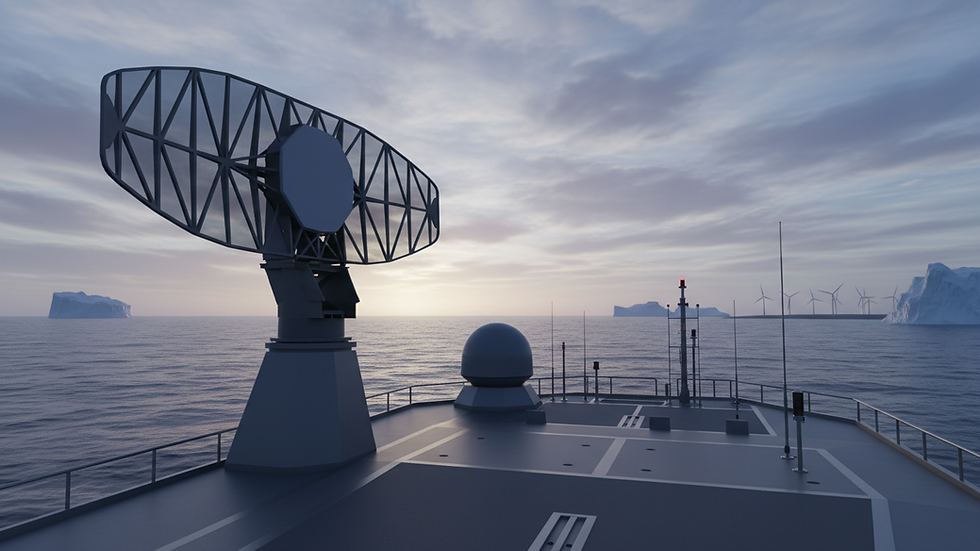
Radar with enhanced small target tracking: Modern radars can detect low radar cross-section USVs.
Electro-optical and infrared cameras: Provide visual confirmation and tracking in various weather conditions.
Acoustic sensors: Detect engine noise or propeller sounds underwater or near the surface.
Automatic Identification System (AIS) integration: Helps distinguish between authorized vessels and potential threats.
These systems work together to provide a comprehensive maritime picture. Integration with command and control centers allows rapid decision-making.
Neutralization Technologies
Once detected, neutralizing the USV is essential. Options include:
Electronic warfare (EW) systems: Jamming or spoofing USV communication and GPS signals to disrupt control.
Kinetic solutions: Deploying nets, water cannons, or non-lethal projectiles to disable or capture USVs.
Directed energy weapons: Using lasers or microwave systems to damage or disable USV electronics.
Physical barriers: Floating booms or underwater fences to restrict USV access to sensitive areas.
Each method has advantages and limitations. Combining multiple neutralization techniques increases effectiveness and reduces risk to infrastructure.
Integration of USV Countermeasures into Critical Infrastructure
Integrating countermeasures into existing infrastructure requires careful planning. Key considerations include:
Modularity: Systems should be easily upgraded or expanded as threats evolve.
Automation: Automated detection and response reduce human error and response time.
Interoperability: Countermeasures must communicate with other security systems and agencies.
Environmental impact: Solutions should minimize disruption to marine life and operations.
For example, a modular detection system can be installed on offshore platforms and linked to shore-based command centers. Automated alerts trigger neutralization protocols, such as activating electronic jamming or deploying physical barriers.
Operational Best Practices for USV Defense
Effective defense depends on procedures as much as technology. Recommended practices include:
Regular threat assessments: Update risk profiles based on intelligence and incident reports.
Training and drills: Ensure personnel understand system operation and response protocols.
Maintenance schedules: Keep detection and neutralization equipment in optimal condition.
Collaboration with maritime authorities: Share information and coordinate responses.
Incident documentation: Record encounters for analysis and improvement.
These practices enhance readiness and reduce the chance of successful USV incursions.

Future Trends in USV Countermeasures
The evolving nature of USV threats demands continuous innovation. Emerging trends include:
Artificial intelligence (AI): AI-powered systems improve detection accuracy and automate threat classification.
Swarm defense: Coordinated countermeasures against multiple USVs operating in groups.
Hybrid systems: Combining electronic, kinetic, and physical methods for layered defense.
Enhanced communication security: Protecting countermeasure systems from cyber-attacks.
Staying ahead requires investment in research and development. Modular designs allow rapid integration of new technologies.
Enhancing Maritime Security with Advanced USV Countermeasures
Implementing effective countermeasures strengthens protection of critical maritime infrastructure. By combining advanced detection, tracking, and neutralization technologies with operational best practices, facilities can mitigate USV threats. I recommend exploring counter usv solutions that offer modular, scalable, and integrated defense capabilities. These solutions contribute to safer seas and secure national infrastructure against emerging maritime threats.


Comments